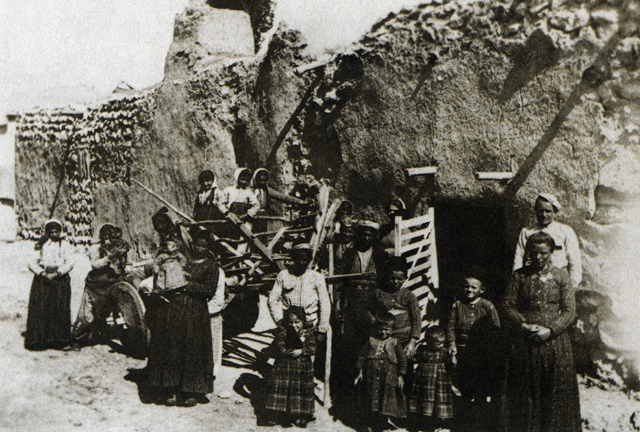
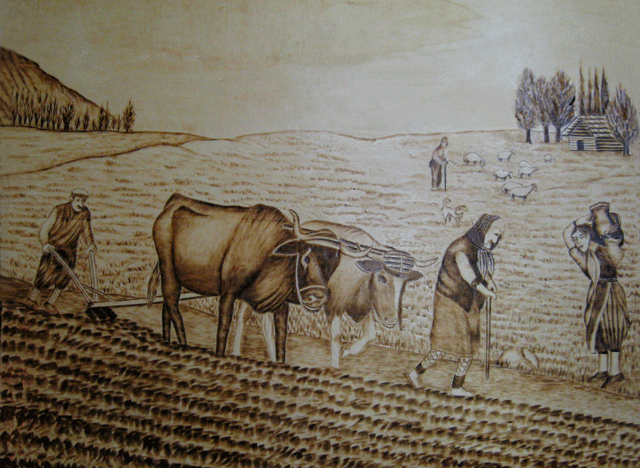
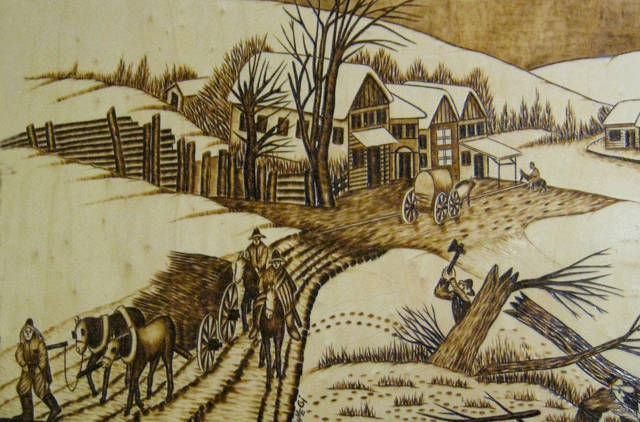
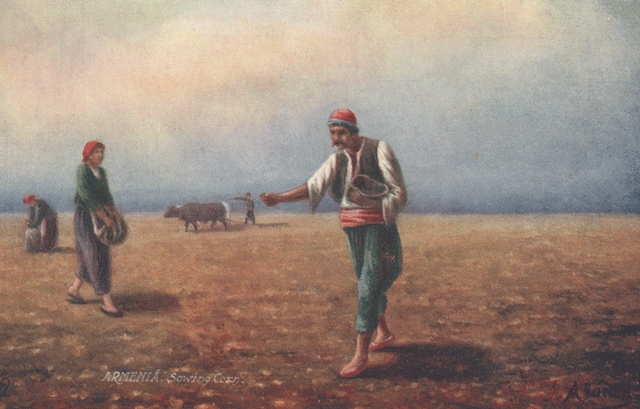
| The following list of families from Perkinik is complied from a variety of sources.
- The Arevian/Hagopian Family
The name is listed in the Constantinople church records as
both Hagopian and Arevian.
Some of the family left Perkinik and
went to Constantinople in the 1880s. The
family dispersed even further after 1920 going to the US, Egypt and France.
Lucy Arevian/Hagopian listed her birth places as Pirkinik.
See Arevian/Hagopian now or at the
bottom of the page. See also Hagop Arevian
- The Azarian Family
The Azarians, a family of wealthy merchants and bankers, who later lived in Constantinople.
This family included Stephanos Peteros Azarian
the Patriarch of the Armenian Catholic Church from 1881-1899. He was born in 1826 in
Constantinople but the family originally came from Pirkinik.
See
Other Azarians now or at the bottom of the page.
- The Varoujean (Tchibourkkearian) Family
Tchibourkkearian — AKA Varoujean - The Armenian poet, Taniel Varoujan (Varoujean): whose
family name was Tchibourkkearian was born in Pirkinik.
Tchiboukkearian, Daniel
de Pirkinik (Armenie) admis avec
distinction" Pamphlets on Biology: Kofoid collection, Volume 1048, Science, 1907
Universite De Gand, Annee Academique 1907-1908, FACULTE DE DROIT, [Faculity of Law] Grade de licencie en science commercials
Premiere Epreuve [Tchiboukkearian, Daniel
of Pirkinik (Armenia) admitted with distinction], University of Ghent, Belgium, 1907
Veronica Tchiboukkerian (Varoujean), the daughter of the poet, Taniel Varoujan, was born in Perkenik in 1910. She published a collection of
family postcards called The Tchiboukkearians of Perknig.
"Daniel Varoujian was born in a ancient stone house on the banks of a
willow-shaded stream some 125 years ago, in Perknig, in the province
of Sebastia. Mekhitarist Fathers of the famous teaching order ran the village school."
The postcards do not include any images of Perkinik
The name was also spelt Chebookkerian in the
History of the Village of Perkenik by Father Ephrem Boghossian written in the 1950 or 60s.
It is also spelt Chpugkyarian on the Internet.
In March 2015 Alen Ozumit wrote and shared some
information about
Daniel Varoujan that was published in his church's bulletin.
The church is a Armenian Catholic congregation - Notre-Dame-de-Nareg de Montreal in Quebec.
The article is in French and I have made a loose translation since my French is quite limited.
Daniel Varoujan was born 1884 in Perknic, Sebaste where he spent his childhood
dreaming in the sad shade of willows and throwing stones at ducks along the river.
He was still a child when his father migrated to Istanbul.
His mother during the long winter evenings sat by the fireside and told him
wonderful stories as the wind in the chimney sometimes screamed and sometimes cried like
a offering from a ghost.
In 1896 Daniel himself left Pirkinik for Istanbul where he attended the Mechitharist 's
Fathers school. He was a brilliant student and the school sent him to Venice to further
his studies.
He was still there in 1902.
In 1905 he went to Belgium to study at the University of Ghent.
He was passionate about his studies but was homesick for his country
and his old mother.
In 1909 he returned to Perkinik where he wrote poetry and taught.
In 1912 he was appointed perfect of studies at the college of Saint
Gregory the Illuminator.
On April 24, 1915 he was arrested together with other Armenian intellectuals.
He was tied to a tree and dismembered. His remains left to the birds.
The information for this article was compiled in 2015 by Georges Vigny.
In June 2017 Linda Minier wrote that her father had studied at boarding school in Corfu, Greece
where many of the students were from Sepastia.
"Daniel Varoujean had two sons Haig and Armen.
Haig passed away in Fresno and Armen and his wife Helen passed away in Honolulu, Hawaii.
Varoujean's wife is buried in the Armenian cemetery in Fresno, Ca. She had remarried and
lived in Casablanca for years moving to Fresno when she was older.
The family had lived in upstate New York before moving to Fresno I believe. Haig's children
live in Oregon and Armen's son and daughter live in Hawaii.
There is a statue of him the University in Brussels, Belgium where Varoujean went to college.
My parents were friends of Armen and his wife."
1923:
Arexio Apikian
Arrival 27 Nov 1923
Birth Location: Turkey
Birth Location Other: sivas
Age: 30
Gender: Female
Ethnicity/ Nationality: Turkish
Port of Departure: Cherbourg
Port of Arrival: New York, New York
Ship Name: Olympic, with Girair, age 34, engineer,
both from geneva Switzerland, to New York
1926:
Araxie Apikian
Arrival 13 Oct 1926
Birth Location: Turkey
sivas
Age: 33
Gender: Female
Ethnicity/ Nationality: American
Port of Departure: Cherbourg, France
Port of Arrival: New York, New York
Ship Name: Homeric
1929 Petition for Naturalization - Araxie M. Varoujean Apikian 449 Audubon ave, dressmaker and housewife, born 22, March 1893 sivas Turkey, emiggrated from Cherbourg 21 No
1923 to NY on the Olympic, husband Girair, born 14, Mar 1889 Constantinople,
four children with her first husband who died May 1915 in Turkey:
Veronica born June 6, 1912, Armeene born september 9, 1913.
Kribor born September 1913,
Haygag born August 12, 1915
1940: New York New York, Araxie Apikian 46, dress designer, dress sample company,
Veroni Saprasian 29, daughter, seamstress,
Joseph Saprasian 32, son in law, born Russia, lived Paris in 1935, designer, wholesale textiles,
Armen Varoujean 27, "step son", mechanic, garage,
Haig Varoujean 24, "step son", photo engraver, printing
1954: Araxie Apikian Varoujean,
29 May 1954
age 60,
born Turkey
sebastia
Gender: Female
Port of Departure: Casablanca, Morocco
Port of Arrival: New York, New York
Ship Name: Estrid Torm, 1 case, 1 suitcase, 2 trunks
1955: Araxie V. Apikian
Departure Date: 4 Apr 1955
Departure Place: New York, New York, USA
Airline: TRANS WORLD AIRLINES INC.
Flight Number: 918/04 to Paris
1967: The Fresno Bee - April 27,
Araxi Varujean Apikian, age 72 of 545 Lafayette ave Fresno died at a local rest home.
A native of Sivas, Armenia,
she had been in Fresno for about three years. She was survived by her husband, Girair,
a daughter Veronica Safrasain of New York, two sons, Armen and Haig both ot Fresno and
five grandchildren. Donation were requested for the Holy Trinity Armenian Church
in Fresno and the Pan-Sebastia Rehabilitation Union.
Araxie Apikian
SSN: 064-01-7098
Last Residence:
93728 Fresno, Fresno, California, USA
BORN: 22 Mar 1893
Died: Apr 1967
Veronique, Haig and Armen Varoujean
1929: 20 August, Majestic to New York from Cherbourg,
Varoujean
Veronique, age 18 student,
Armen student age 17, Haigag student age 14,
Birth Location: Turkey
Stamboul,
Ethnicity Armenian,
last permanent address 6 Bergalione, Geneva Switzerland
to their mother in 24 E 21st street, NYC, New York City
1930: Manhattan Audubon ave,
Jerair Apikian 41, merchant exports, general merchandise,
Arax Apikian 37, wife, immigrated 1924,
Veronic Varoujean 18, step daughter,
Armen Varoujean 16, step son,
Haig Varoujean 14, step son, all Armenian born Turkey, children all immigrated 1929,
-
Veronique born Turkey circa 1911 -married Safrasian
2009:
Last Residence:
10541 Mahopac, Putnam, New York
BORN: 7 Jun 1911
Died: 26 Feb 2009
Taniel Varoujan's Daughter, Veronica Safrasian,
on March 16, 2009
Veronica Safrasian (nee Varoujean Tchiboukerian), the daughter of Taniel Varoujan,
a well known writer and poet, passed away on February 25 in Purdys, N.Y. at the age of 98.
Veronica was born on June 6, 1910 in Perkenik, a village of Sepastia.
After studying in Geneva, Switzerland, she came to the United States in the 1930's.
She worked as a librarian and for the Rizzoli and Doubleday bookstores in New York,
as well as for the New York Library until she retired in 1982.
She was very proud of her Armenian heritage and always participated in April
24th genocide demonstrations in New York City.
She is survived by a daughter, granddaughter, great grandson, nieces,
nephews, and cousins.
- Haig born Turkey circa 1913/15
1941:
Haig Varoujean,
Birth Year: 1915,
Race: White, citizen (White),
Nativity State or Country: Turkey,
State of Residence: New York,
County or City: New York,
Enlistment Date: 25 Apr 1941,
Enlistment State: New York,
Enlistment City: New York City,
Branch: Branch Immaterial - Warrant Officers, USA,
Branch Code: Branch Immaterial - Warrant Officers, USA,
Grade: Private,
Grade Code: Private,
Component: Selectees (Enlisted Men),
Source: Civil Life,
Education: 2 years of high school,
Civil Occupation: Photoengravers,
Marital Status: Single, without dependents,
Height: 67,
Weight: 153
1941:
Haig Varoujean,
Gender: Male,
Race: White,
Age: 27,
Birth Date: abt 1914,
Marriage Date: 22 Dec 1941,
Marriage Place: Richmond, Virginia, USA,
Registration Place: Richmond, Virginia, USA,
Father: Daniel Varoujean,
Mother: Araxie,
Spouse: Alice Karaian,
Spouse Gender: Female,
Spouse Race: White,
Spouse Age: 25,
Spouse Father: Enoch Karaian,
Spouse Mother: Evpime Vahoni
Armen Varoujean was the best man.
1955:
Haig Varoujean,
Gender: Male,
Residence Year: 1955,
Street address: 2145 Normal av,
Residence Place: Fresno, California, USA,
Occupation: Engraver,
Spouse: Alice K Varoujean,
Publication Title: Fresno, California, City Directory, 1955
1968: Varten E Varoujean the son of Haig Varoujean of 1015 W. Celeste Ave Fresno was
assigned to the
Signal Battalion near Phu Lan, Vietnam
1970: Vartan E Varoujean married Jeanne Rae Watson in Fresno in July 1970.
They divorced in 1974.
2002: Haig Varoujean,
SSN: 057145967,
Gender: Male,
Race: White,
Birth Date: 12 Aug 1915,
Birth Place: Turkey,
Death Date: 12 Oct 2002,
Father: Daniel Varoujean,
Mother: Aratie C Varoujean,
Notes: Jul 1938: Name listed as HAIG VAROUJEAN
2002: Haig Varoujean
Birth Date: 1913
Death Date: 2002
Cemetery: Belmont Memorial Park
Burial or Cremation Place: Fresno, Fresno County, California, United States of America
-
Armen born Turkey circa 1916
1964:
Ann Varoujean the daughter of Armen Varoujean was married in Fresno in February 1964 to Charles R
Adanalian. Her brother "Gerry" was a "candle lighter'.
Ann and Chalres divorced in 1970.
1983: Gerald A Varoujean
Residence Year: 1983
Residence Place: Honolulu, Hawaii
Occupation: Broadcasting Eng
Publication Title: Polk's Directory of City and County of Honolulu, 1983
There is a fair amount on the Internet about Taniel (Daniel) Varoujan.
- The Balian/Balgian/Baljian Family - Fitchburg, Massachusetts???
Balian Family
per Therese Topalian, July 2008
1913:
Balian, Sarkis, 21, M, 1913-09-08 (New York), Martha Washington, Sivas (Pirkinik), Sivas,
Turkey to 39 West St. / Milford, MA, USA (Note: dob c 1892)(Armenian Immigration Project
Abstracts of Primary Source Material for the Study of
Armenian Immigration to North America through 1930)
1927: listed Nishan Balgian in local directory for Worchester
1930: Worchester, Mass Hawley street,
Nishan "Balgaian" 50, Shuttle boy Filer
Loom Wks., imm 1916,
Catinig Balgaian 40, imm 1916,
Vahe Balgaian 10
Navatt Balgaian 8, girls born Rhode Island
1940: Chandler street, Worchester, Mass.,
Nishan Balgian 58, fireman,
Satinig Balgian 50
Vahe Balgian 20, born Rhode Island,
Rose Balgian 18, born Rhode Island
Hred Shanazarian 45, lodger
1942 Nishan Balgian 210 Chandler st Worcester, Mass. born Mar 28, 1880 Sivas Turkey wife, Satinig
1953: from New York to Bremerhaven,
N. Rose Baljian
Birth Place: Rhode Island
Departure Date: 7 Aug 1953
Departure Place: New York, New York, USA, address 210 Chandler st Worchester, Mass.
Ship: USNS GEN MAURICE ROSE (T AP 126), intending to stay abroad 2 years
1962:
Age 82,
Nishan,
Balgian,
Birth Date 28 Mar 1880,
State Massachusetts,
Event Date Aug 1962
1974: Satenig Karaghuesian Baljian,
Death Date: 1974,
Worcester, Massachusetts, USA,
Volume Number: 111,
Page Number: 297,
Index Volume Number: 124/125,
Reference Number: F63.M363 v.124/12
1999: Mass. Death cert.,
Vahe V Baljian
Certificate: 020111
Death Place: Auburn
Death Date: 13 Feb 1999
Birth Place: Rhode Island
Birth Date: 1 Nov 1919
2004:
Nvart Rose Baljian
[N Rose Gara]
[Rose Metz]
SSN: 016141709
Gender: Female
Race: White
Birth Date: 18 Jul 1921
Birth Place: Providence, Rhode Island
Death Date: 23 Dec 2004
Father: Nishan Baljian
Mother: Sara S Karaghuesian
Type of Claim: Original SSN.
Nishan Baljian
Gender: Male
Spouse: Sara S Karaghuesian
Child: Nvart Rose Baljian
- Borchonion/Borchanian, Sahg
1918:
Sahg Borchonion
185 River
Fitchburg, Worcester, Massachusetts, USA, Alien, Prgng, Armenian, Turkey, laborer, single,
born 1890, no month or date,
Physical Build: Medium
Height: Medium
Hair Color: Black
Eye Color: Dark Brown
1918: Fitchburg Daily Sentinel,
Sahg Borchonion was ordered to Fort Dix for induction into the armed services.
1920: Mike Tohamozin 34,
Krikor Gelbian 34,
Hanparzi Gelbian 45,
Harry Domigan 25,
Hagob Papogian 35,
Bogas Derm?Ingan 31,
Sahag Borchanian 29, single, boarder, laborer, cotton mill, imm 1909
Masgos Derderian 25
1921: 8 Feb passport application, Sahag Borchanian, age 32 born 4 Jan 1890, Sivas Turkey,
living Fitchburg Mass, father Abraham Borchanian, living in Constantinople,
sailed from Marseilles, France December 20, 1911
lived in Fitchburg from 1911 to 1920, occupation, helper, to go to Constantinople to visit pearent.
1921: On October 1, 1921 Sahag Borchanian married Agnes who he had known for 6 months
in the Catholic Armenian
Patriarchate at Constantinople.
1921:
Passport Application for Agnes Borchanian, age 24, born Afion Karahissar Asia Minor, 1897,
husband Sahag Borchanian, Applicant had never resided in the US. An Emergency Pass port was issued at the
American Consulate in Istanbul, age 24, 5 ft 4 inches eyes light brown, hair brown .
1921: List of arriving citizens,
Borchanian, Sahag age 31, naturalized,
Agnes Borchanian, age 24, naturalized by marriage,
Arrival Date: 11 Nov 1921
Port of Departure: Constantinople, Turkey
Port of Arrival: New York, New York
Ship Name: Acropolis, to Fitchburg, Mass
1930: Fitchburg, Mass
Sahar Borchanian 40, laborer, road construction, imm 1911,
Agnes Borchanian 33, married 10 years,
1942:
Sahag Borchanian
Gender: Male
Race: White
Residence Age: 52
Birth Date: 4 Jan 1890
Birth Place: Sevaz, Armenia
Residence Date: 1942
Residence Place: Worcester, Massachusetts, USA, wife Agnes worked for the city highway department.
1948:
Mrs. "Schag"Borchanian won a suit against Norma La Belle of Leominster for injuries
received in a pedestrian-automobile accident on June 29, 1946.
1969:
1972:
Agnes Borchanian
Certificate: 032449
Death Place: Fitchburg
Death Date: 3 Aug 1972
1976: November 9, 1976 Deaths in Fitchburg, Sahag (Sam)
Borchanian age 86, of 59 Leighton st, a resident of Fitchburg
for 60 years died at Burbank Hospital. He was retired for the
Fitchburg department of Public Works.
A member of St. Bernard's parish and a WWI Army Veteran
he was born in Sivas Armenian Jan 4, 1890 to Abraham Borchanian. he was the widow of the late Agnes
nee Gamian who died in 1872.
He was survived by a niece, T Topalian* of Worchester and several grand nieces and nephews.
*See Topalian.
Kaspar Borchanian of Pirkinik died in 1766.
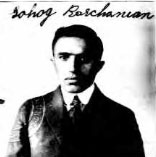
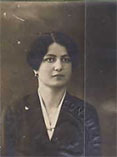
Sahg Borchonion and his wife Agnes from 1921 passport photos.
- Chigdian/Chegdian
1917:
Mgretich Chigdian (Chiydian or Chegdian)
Marital Status: Single
Birth Date: 5 Mar 1890
Birth Place: Sivas Pirkinig, Armenia,
address: 114 Solvay,
Detroit, Wayne, Michigan, USA, machinist, Casting Wheel Co, Mich ave.,
mother and sister, single, alien,
Build: Medium,
Height: Medium,
Hair Description: Not Bald,
Hair Color: Brown,
Eye Color: Brown
- Derderian, Margos
1917:
Margos Derderian
Single
Birth Date: 1 Jan 1892,
Birth Place: Pirkinik Sivas, Turkey,
Address: 990 Main
Fitchburg, Worcester, Massachusetts, USA, labourer, --- Mfg co fitchburg,
Physical Build: Medium
Height: Medium
Hair Description: Not Bald
Hair Color: Black
Eye Color: Brown
1921: Maritza
1920: Fitchburg, Ward 2, Federal street,
Mike Tohamozin 34,
Krikor Gelbian 34,
Hanparzi Gelbian 45,
Harry Domigan 25,
Hagob Papogian* 35, imm 1913, single, boarder, naturalized 1919, laborer, cotton mill,
Bogas Derm--ngian 31,
Sahag Borchanian* 29, single, boarder, laborer, cotton mill, imm 1909
Masgos Derderian* 25
*Born Pirkinik.
1930:
Margos Desderian 35, laborer,
Maritza Desderian 27,
Asonder Desderian 6,
Florence Desderian 3,
Nancy Desderian 0
1940:
Margos Derderian 46
Maritza Derderian 36
Oscar Derderian 16
Florences Derderian 12
Nancy M Derderian 10
Joseph H Derderian 3
1942:
Margos Derderian
Gender: Male
Race: White
Residence Age: 48
Birth Date: 2 Jan 1894
Birth Place: Sivas, Anmenia
Residence Date: 1942
Residence Place: Worcester, Massachusetts, USA, pension from US government
1953: Oscar Derderain married Miss Shake Donoian.
1972: July 5,
Margos Derderian age 79 of Martel st. died at Burbank Hospital.
He was born in a suburb of Sivas Armenia Jan 1,
1893 a son of the late Oscar and Florence Derderian
and came to Fitchburg in 1912.
He was retired form the Public
Works Department of the city of Fitchburg.
He was a Army veteran of WW1.
Survived by his widow Maritza Danahashian a son Oscar, daughters Florence,
wife of Samuel Samuelian of Dredham and
Nancy M wife of Murray B. Cobb of Portsmith,
Va. and 7 grandchildren
1972: September
NAME: Margos Derderian
BIRTH: 1 Jan 1894
DEATH: 3 Jul 1972
MILITARY: 5 Jul 1918
OTHER: 15 Jan 1919
1972: Grant an annuity to Mrs. Margos Derderian under
provisions of Chapter 32, Section 95A.
1975:
Fitchburg Sentinel 17 Feb 1975 obit of Maritza (Dan Abashian) Derderian age 72 after a long illness,
widow of Margos who died in 1972. She was born in sivas turkey in 1902 a daughter of Herbert and Miriam Dan-Abashian.
She had lived in Fitchburg for 53 years. survived by her son, Oscar, and two daughters, Florence and Nancy a sister Mrs.
Satenig of Istanbul, a son Joseph died in 1963. Seven grandchildren.
- The Desirmenjian Family
Desirmenjian
Anna Desirmenjian, wife of Nazareth Arevian/Hagopian. See Arevian/Hagopian
- The Desirmenjian Family
- Domigian/Domijian
Harry Domigian born Perkinik married Takouhia (Regina) Eminian (See Eminian.)
-
Eminian, Krikor - born Perkenik date unknown
Children:
-
Hovaness Eminian (180?? - ) and Mannig Morian (1867-??)
Birth:
Marriage:
Mannik born circa 1867 Pirkinik
Mannig - maiden name Morian (Therese Eminian Schoen, July 2018)
Children:
-
Alexander Hovaness Eminian (1888-died ??) and Pepron Morian
Alexander Eminian, wife Pepron Morian Eminian (also Perkiniksi):
daughter Shushan (Susan) Eminian, born in Constantinople probably around 1899.
I forget her husband's name. No children. Lived in California.
Their son Harutuun (I believe born in Massachusetts), wife Zabel
(I don't know her maiden name), their children Leo and Linda Eminian,
neither had children.
Uncle Alex's and Auntie Pepron's other children:
Twins Margaret and Mary born in Massachusetts, I believe in the 1920s.
Margaret had no children; Mary and her husband Sidney Lipman had daughters
Deborah and Pepron. I don't think Debbie has children. Peppie has two
sets of twins, AFAIK. Twins run in the family. We have four sets on my father's side.
(Therese Eminian Schoen, July 2018)
1888: Birth of Alexander Eminian,
March 5, 1888 Sivas turkey per D or I
Marriage: Pepron Morian May 18, 1908
Children:
-
Susanne 1909 Constantinople - Married an Armenian(TES)
1935:
Declaration of Intention - State of Maine, Superior
Court Andros Gogin Auburn Maine, Susan Eminian 191 Pine
Street,
Lewiston, Andros Coggin, Maine,
stitcher factory age 26,
brunetter, brown eyes, 5 ft 5 inches, 129 pounds, Armenian, born Constantinople Turkey
August 15, 1909 single, immigrated from Marseilles, France, to Providence R. I.
on the S. S.Germania arriving New York Nove 30, 1913.
1993:
Death -
Susan Nargis,
[Susan Eminian],
Social Security #: 005075168,
Gender: Female,
Birth Date: 15 Aug 1909,
Birth Place: Other Country,
Death Date: 1 May 1993,
Death Place: Fresno,
Mother's Maiden Name: Morian,
Father's Surname: Eminian
- Harutin AKA Harry Sept 29, 1915 Milford Mass
Harry Eminian,
SSN: 007-03-9473,
Last Residence:
01801 Woburn, Middlesex, Massachusetts, USA,
BORN: 28 Sep 1914,
Died: Oct 1979
State (Year) SSN issued: Maine (Before 1951)
Married Zabel (I don't know her maiden name), daughter
Linda (married/divorced); son Leo (never married)
fraternal twins (TES, July 2108)
- Mary 1922
Mary Philomena Eminian,
[Mary P Lipman] ,
[Mary Lipman] ,
Gender: Female,
Race: White,
Birth Date: 11 Jul 1921,
Birth Place: Worcester, Massachusetts,
Death Date: Mar 1992,
Father: Alexander Eminian,
Mother: Pepron Morian,
SSN: 004169673,
Notes: Jul 1938: Name listed as MARY PHILOMENA EMINIAN; May 1963: Name listed as MARY P LIPMAN; 04 Apr 1992: Name listed as MARY LIPMAN
Mary married Sidney Lipman, their daughters Deborah (married no kids to my knowledge) (TES July 2018)
- Margaret 1922 (twins)
(never married TES July 2108)
1913: Immigration of Pepron and Susanna -
The Germania from Marseilles November 15 arriving New York November 30,
1913, Erminian Pepron age 22, wife, 5 feet 4 inches,
Suzanne daughter, age 3, both born Sivas,
father Megradich Morian,
to husband and father Alexander Eminian 409 Wickensen st, Providence, R. I.
1930: Denny street,
Worcester, Worcester, Massachusetts, USA
Alexander Eminian 42, born Turkey, imm 1910, coal dealer, proprietor,
Pepron Eminian 39, born Turkey, imm 1914,
Susan Eminian 20, born Turkey, imm 1914,
Harry Eminian 15, born Mass.,
Mary Eminian 8, born Mass.,
Margaret Eminian 8 born Mass.,
Armenig Harigian 58, relative, born Turkey imm 1905
own home value, $5,500,
1940:
Declaration of Intention of Alexander Eminian, District of Massachusetts,
Boston US District Court, Alexander Hovannes Eminain 81 West Walnut Park Roxbury, Suffolk Mass.
Iron molder age 51, brown eyes black hair, 5 ft 7 inches, Armenian born Sivas Turkey March 5, 1888, married
May 18, 1908 Constantinople, Turkey, wife, Papron, born Sivas Turkey Aug 10, 1891,
imm to Providence R. I., November 1914,
4 children:
Susan aug 15, 1909 Constantinople,
Harry, Sept 29, 1915 Milford Mass, Mary and
Margaret (twins) July 20, 1922 Worcester, Mass., He immigrated from Patras Greece,
to New York, September 9, 1910 on the SS Argentina.
1942: WWII Draft Registration Alexander H Eminian
Age: 54
Birth Date: 5 Mar 1888
Birth Place: Sivas, Armenia
Residence Date: 1942
Residence Place: Mid, Massachusetts, USA, wife, Pepron,
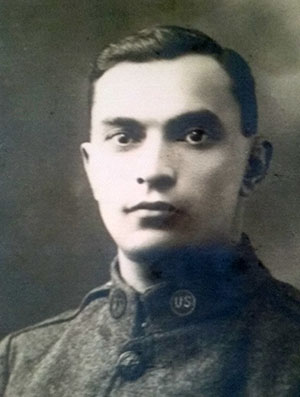
Garabad Eminian - World War I (Courtesy of Therese Schoen)
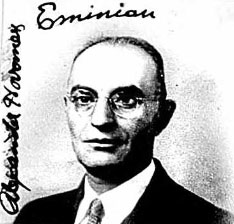
Alexander Hovannes Eminian - 1940 Declaration of Intention
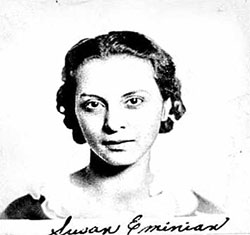
Susan Eminian - 1940 Declaration of Intention
-
Garabad Eminian born Pirkinik circa 1889, imm to US
Birth:
Garabed - second born son, born "during Lent 1889" (Therese Eminian Schoen, July 2018)
Marriage: Magdalene Mildred Lehmann
(Therese Eminian Schoen, Juley 2018)
Child:
Therese Antoinette Eminian Schoen (August 12, 1942 Annpolis, MD.
1960:
T. Eminian was a sophomore at St. Mary's Highs School,
Annapoli in 1960.
1981 Marriage:
Therese Antoinette Eminian
Gender: Female
Race: White
Age: 38
Birth Date: 12 Aug 1942
Marriage Date: 23 May 1981
Marriage Place: Arlington, Virginia, USA
Registration Place: Arlington, Virginia, USA
Father: Garabed Eminian
Mother: Magdalene M Lehman
Spouse: Gerhard Werner Schon
Spouse Gender: Male
Spouse Race: White
Spouse Age: 30
Spouse Birth Date: 24 Sep 1950
Spouse Father: Engelbert Schon
Spouse Mother: Elisabeth Pachler
Gerhard born in Austria has an MA and PhD all but
disertation from Catholic U. of America in DC, no children,
I have MA The Johns Hopkins Univ./SAIS, Washington DC (TES July 2018)
Therese Antoinette Eminian born August 12, 1942
in Annapolis, MD. Married Gerhard Werner Schoen
on May 23, 1981 in Arlington, VA. Gerhard was born in Austria; died June 15, 2018 in
Centennial, CO. FYI, this is a link to his
Obit (Therese Eminian Schoen, July 2018)
1917 WWI Draft Registration:
Garabed Eminian
Race: Caucasian (White)
Single
Birth 15 "February" 1889
Place: Perkinik, Sivas, Armenia, Armenia
59 Grand St
Hartford, Hartford, Connecticut, USA
Physical Build: Medium
Height: Tall
Hair Description: Not Bald
Hair Color: Black
Eye Color: Brown, machinist, Pratt & Whitney, alien, single,
1930:
Garabed Eminian, on a list of notary public,
Residence Year: 1930
Residence Place: Everett, Massachusetts, USA
Publication Title: Everett, Massachusetts, City Directory, 1930
1942: Garabed Eminian born March 15, 1889 in Perkenig Sivas Armenia,
self employed Annapolis, Md, Magdalena Eminian
1959:
Garabed C Eminian
Gender: Male
Residence Year: 1959
Street address: 60 West
Residence Place: Annapolis, Maryland, USA
Spouse: Magadalene L Eminian
Publication Title: Annapolis, Maryland, City Directory, 1959
1970:
Gerabed Eminian
Gender: Male
Birth Date: 15 Mar 1889
Death Date: 31 Jul 1970
SSN: 218323274
Branch 1: ARMY
Enlistment Date 1: 3 May 1918
Release Date 1: 4 Jun 1919
1970:
Garaded C Eminian
Event Type Burial
Event Date 1970
Event Place Baltimore, Baltimore City, Maryland, United States of America
Photograph Included N
Birth Date 15 Jun 1889
Death Date 31 Jul 1970
Affiliate Record Identifier 623621
Cemetery Baltimore National Cemetery
1972: Magdelene Eminian had a Beauty Palour at 160 West Street, (city?) advertised
in the Annapolis Capital
2001:
Age 93,
Given Name Magdalene,
Middle Name M,
Surname Eminian,
Birth Date 25 May 1908,
State Maryland,
Last Place of Residence Baltimore, Maryland,
Previous Residence Postal Code 21221,
Event Date 08 Jun 2001
George Eminian (dob ??) (3rd son of Hovannes and Mannig)
"Uncle Georgie (third son) was in the Turkish army and died of natural causes. He was well liked and his
body was returned to the family which I've heard was an unusual courtes. By that time,
my grandparents were in Constantinople, living in Shishli. My father always said that
the Turks had killed him but my cousin, Anahid (Diana) PhD Smith University, said that
it was kidney disease.
.....Uncle Georgie was not married; died without children.
"
(Therese Eminian Schoen, July 2018)
"My grandfather, great-grandfather and Uncle Georgie
(third son, born in Perkenik) are all buried in the Perkeniksi section of
the Armenian cemetary in Shishli, Pera, Constantinople/Istanbul. (Therese Eminian Schoen, July 2018)
Takouhi AKA Regina Emanian c 1897 married Harry Domigian/Domijian
Takouhi AKA Regina c 1897
Maternal Aunt Takouhi (Regina) married Harutun (Harry) Domigian (also Perkeniksi), had two daughters Martha married Philip Domenico in Worcester, MA, and Alice (died about five years ago in Worcester, MA) who married Francis Mard, also deceased. Fran was a PhD in I think biochemistry.
Martha and Phil had one son, Phillip who lives in Texas (unmarried, no children) and Jeanne divorced (I forget her husband's name at the moment) with a daughter, Catherine and twin boys (I have to check on their names - never met them).
Alice and Fran had one son, I think Michael. I believe he's either a radio announcer or work in TV. I've never met some of these younger cousins. I live in Colorado; they're in Texas or New England and we're not close. I'm much better acquainted with my Mother's Irish side although I knew my paternal aunts and uncles and their children well. I'm also close to my late husband's cousins in Austria and Germany.
(Therese Eminian Schoen, July 2018)
1923:
Regina Eminian 64 Lewis Street, Everett, intention of marriage to Harry
Domejian 142 Claredon street 6 July 1923
1942:
Harry Joseph Domigian,
Gender: Male,
Race: White,
Residence Age: 49,
Birth Date: 15 May 1893,
Birth Place: Sivas, Armenia,
Residence Date: 1942,
Residence Place: Worcester, Massachusetts, USA
Death:
Harry Domigian
SSN: 017-09-1898
Last Residence:
01605 Worcester, Worcester, Massachusetts, USA
BORN: 15 May 1889
Died: Jun 1978
State (Year) SSN issued: Massachusetts (Before 1951)
Death:
Regina Domigian
Certificate: 031431
Death Place: Worcester
Death Date: 11 May 1983
Birth Place: Other
Birth Date: 16 Dec 1897
John Batiste Eminian AKA Meguerditvh Eminian (1902- )
Meguerditch AKA John Batiste born circa 1902
Uncle John (Mgerdich- Jean Baptiste) born 1900 in Constantinople. You might be right about 1902. Married Marie Devijian whose first husband, Albert's father, died of TB. Son of Auntie Marie was Albert (Albie), married Martha (I don't know her family name; not Armenian) whose first husband either died or they were divorced. She has one daughter. I forget her name, I think Ellen but I'm not sure. It'll come to me. Al and Martha live in CT. Actually, their home is down the road from Paul Newman's home.
(Therese Eminian Schoen, July 2018)
1921: Naturalization of Meguerditch Eminian age 19, shoe worker, height, 5 feet 123 pounds, scar
on neck born
Constantinople on 15 September 1902 residence 63 Lewis street, Everett Mass.
single, imm from Patras Greece on the King Alexander imm 6 Jan 1921
1928:
Meguerditch Eminian age 25, changed his name to John Batiste Eminian March 26, 1928.
Marriage:
Married Marie Duhterian Devejian - 1934.
Eminian
Spouse's Name Marie Devejian
Event Year 1934
License Number 645195 Pennsylvania, index
1940: Boston, Mass.,
John B Eminian 37, foreman, shoe manf,
Marie Eminian 30, stitcher, show co.,
Albert Devyian 12, son
1990: NAME: Marie D. Eminian
BIRTH: 22 May 1908
DEATH: 22 Jul 1990 - Jamaica Plain, Suffolk, Massachusetts, USA
CIVIL: Massachusetts
Marie Eminian
Birth Date: 22 May 1908
Birth Place: Ankara, Turkey
Death Date: 22 Jul 1990
Death Place: United States of America
Cemetery: Mount Auburn Cemetery
Burial or Cremation Place: Cambridge, Middlesex County, Massachusetts, United States of America
Mother: Sima Duhterian
Spouse: Eugene Devejian
1992: John B. Eminian
SSN: 017-05-4641
Last Residence:
02130 Jamaica Plain, Suffolk, Massachusetts, USA
BORN: 17 Aug 1900
Died: Mar 1992
John B. Eminian
Birth Date: 17 Aug 1902
Birth Place: Turkey
Death Date: 11 Mar 1992
Death Place: Jamaica Plain, Suffolk County, Massachusetts, United States of America
Cemetery: Mount Auburn Cemetery
Burial or Cremation Place: Cambridge, Middlesex County, Massachusetts, United States of America
Victoria Eminian (1907-) married Aram Zacarian
Victoria born Constantinople circa 1907
"Married Aram Zacarian (I believe from Romania - had some
interesting WWI stories involving the Sultan's hareem! -
one son, Setrak, a physician who supposedly discovered
a cure for a form of melanoma, from Uncle Aram's
first marriage. Anahid (Diana) from their
union born July 1942 I think in Boston or perhaps
Jamaica Plain.
Auntie had been married previously
but her husband died I believe of TB. (Therese Emanian Schoen, July 2108)
1922: On the SS Acropolis from Constantinople June 11, 1922,
Eminian, Mannik age 55, housekeeper, widow,
Victoria age 18, single,
arrival at New York 7 Jul 1922,
Armenian
Port of Departure: Constantinople, Turkey,
Port of Arrival: New York, New York
Ship Name: Acropolis from cousin Techkie Eminian 12 Rue Tcheupruk Pera Constantinople,
to Everett Mass.
to son and brother Garabad Eminian 64 Lewis street Everett, Mass. both born Perkenik. both 5 feet tall.
1922: Petition for Naturalization -
US District court of Massachusetts - Victoria Zacarian 306 Centre St Jamaica
Plain, Mass. shoe worker, born Constantinople November 1, 1907, Armenian, "omitted pursuant Act. Sept 22, 1922 as amended"
my husband nat. Sept 27, 1926 Boston cert 2375603 - 2nd marriage, husband, Aram born
at Shumshizek, Turkey August 15, 1898, immigrated at New York City in 1922, Victoria immigrated from Constantinople to New York
July 7, 1922 on the Acropolis.
Petition filed unde Sec. 2 Act of Sept. 22, 1922.
See
1922 Cable Act
1930: Census Boston
Aram S Zacarian Head M 32 Armenia, baker, delicatessen,
Victoria Zacarian Wife F 23 "Egypt", clerk, delicatessen, im 1922
Setrac Zacarian Son M 8 Massachusetts,
Minge Emineien Mother-in-law F 65 Armenia, imm 1922
1936: Naturalization of Victoria Zacarian,
Boston Mass., shoe worker born Constantinople, Nov. 1, 1907,
married husband Aram, arrived under the name Victoria Eminian July 7, 1922 on the Acropolis.
Eminina, Victoria certificate of arrival on July 7,
1922 on the Acropolis - witness Marie Eminian, housewife, 27 Chestnug Ave. Jamaica Plains, Mass.
1989:
Victoria A Zacarian,
[Victoria A Eminian],
Gender: Female,
Race: White,
Birth Date: 15 Nov 1905,
Birth Place: Constantinop, Turkey,
Death Date: 7 Nov 1989,
Father: John H Eminian,
Mother: Mannig Tchatalian E,
SSN: 011508101,
Notes: 26 Jul 1972: Name listed as VICTORIA A ZACARIAN
1922:
Mannik Eminian
Arrival Date: 7 Jul 1922
Birth Date: abt 1867
Birth Location: Armenia
Perkenik
Age: 55
Gender: Female,
Ethnicity/ Nationality: Armenian
Port of Departure: Constantinople,
Port of Arrival: New York, New York
Ship Name: Acropolis, housekeeper,
and Victoria age 18 female, from cousin
Techkie Eminian 12 Rue Tcheupruk, Pera, Constantinople,
to Everett Mass., to son, "Cabared" Eminian 64 Lewis St. Everett, Mass
both born Perkinik, Sivas, Turkey
1926-27: Two listings for Eminian in Everett - both at 142 Main, John Shomeaker, and M Chas (Annie) shoemaker
The Hagian/Hajian Family
Hagian (Hajian)
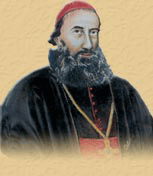
- Bishop Giovanni Hagian (AKA John Hajian) was born in Perkenik in 1802. In 1850 he was ordained
the Bishop of
Cesarea di Cappadocia. He was a council father at the First Vatican Council in 1869-70.
Born,
1 Jun 1803 Born Perkenik -
1850 46.5 Appointed Bishop of Cesarea di Cappadocia (Armenian), Turkey -
2 Jun 1850 47.0 Ordained Bishop Bishop of Cesarea di Cappadocia (Armenian), Turkey -
8 May 1880 76.9 Died Bishop of Cesarea di Cappadocia (Armenian), Turkey - bishop for 29 years
-
Isacco Hajian, Archbishop of Sebastia, born in Perkinik in 1837.
6 May 1837 Born Pirkinik -
8 Apr 1892 54.9 Appointed Bishop of Sivas {Sebaste} (Armenian), Turkey -
2 Jun 1892 55.0 Appointed Archbishop of Sivas {Sebaste} (and Tokat {Toqat}) (Armenian), Turkey -
Aug 1892 55.2 Ordained Bishop Archbishop of Sivas {Sebaste} (and Tokat {Toqat}) (Armenian), Turkey -
6 May 1905 68.0 Resigned Archbishop of Sivas {Sebaste} (and Tokat {Toqat}) (Armenian), Turkey -
6 May 1905 68.0 Appointed Titular Archbishop of Pessinus -
1908 70.6 Died Archbishop Emeritus of Sivas {Sebaste} (and Tokat {Toqat}) (Armenian), Turkey
See more below under Bishop Hajian's List
Jelebian/Chelebian
Jelebian Mardiros age 21 born Pirkinik, Sebastia, Armenia, Turkey, ? 2, 1896,
alien, single,
machine tender, Iver Johnson Arms co., 21 Huron street, Fitchburg, Mass., tall medium build, brown eyes brown hair
1918: Death - Mardiros H Jelebian
Event Type Burial
Event Date 1918
Event Place Fitchburg, Worcester, Massachusetts, United States of America
Photograph Included N
Birth Date 02 Apr 1897
Death Date 11 Jun 1918
Affiliate Record Identifier 134039285
Cemetery Saint Joseph Cemetery
Maderice "Jelebean" son of Hampasziam and Veronika Jelebean died of lymphangitis
Find a Grave
The Kazanjian Family
Kaghanjian, Marta listed by the Armenian Immigration Project.
Marta Kaghanjian or Kazjian/Kazanjain was the mother of Miriam who married Hagop Papoojian. Martha was born in Pirkinik
circa 1835.
Kazanjian —
"Margaret said that her grandmother's maiden name was Kazanjian. Her
grandmother left the village prior to 1915.
There she worked in a rug factory. Her father upon receiving a tip
from a Turk that a future genocide may occur left the village with his family in 1912.
Margaret lives in Toronto." Robert Haroutunian, March 2007.
The Kricorian Family
Kricorian,
Kricorian (Mathieu), mechanic, born July 21, 1874 in Pirkinik (Turkey), residing in Levallois-Perret (Seine), rue de Gravel, 30
[Journal officiel de la Republique francaise. Lois et decrets -Journaux officiels
(Paris)-1915]
Margossian, Soukias born 1881 son of
Bedras
Immigration: 1903 per naturalization petition
Marriage: Christine
10 Jun 1907
Milford, Massachusetts, USA,
Sougras Margossian
age 26
born Turkey, molder,
Father: Bedras Margossian
Mother: Versonig Diermengian
Spouse: Krisdine Diermengian
age 28 born Turkey,
Spouse Father: Migndick Dennenjean
Spouse Mother: Vardouki Hovakmian, first marriage for both
1910:
Milford, Worcester, Massachusetts
Soukias P "Margorion" 29, foundry,
Christin Margorion 19, wife, married 3 years no children,
both born Turkey Armenians
1912:
Massachusetts Petition of Naturalization record -
Soukias Pedros Margosian
Age: 30
Birth 3 Sep 1881
Pirkinik, Sivas Turkey
Arrival from Naples Italy 4 Oct 1903
to New York on the Cecelia,
Petition Date: 22 Apr 1912
Spouse: Christina
Witness #1: John B Connolly
Witness #2: James H Brunt, 49 Prospect Heights, Milford, Mass. brass molder
1818: Soukias Pedros Margossian
Race: White
Birth Date: 3 Sep 1881
Street address: 242 K St
Residence Place: Fresno, Fresno, California, USA
Physical Build: Slender
Height: 5-9
Hair Color: Dark Brown
Eye Color: Brown
Relative: Harry Rusligan
1920: Fresno California, Sokrian age 39, farmer, Christine age 28
1940: Fresno,
S P Margossian 56, widowed, laborer,
Margaret Margossian 9, daughter, born California
1966:
Soukias Margossian
SSN: 552-54-3841
Last Residence:
93219 Earlimart, Tulare, California, USA
BORN: 12 Sep 1880
Died: Jan 1966
Morian
Pepron - See Eminian
Mannik - See Eminian
Mouradjian
Khacig Mouradjian listed by the Armenian Immigration Project.
Papoujian/Papoojian
Hagop and Miriam (Mary) Papoojian:
Children:
- Helen
Helen was living in Washington D. C. in August 1948
She married in 1952 husband?
- Regina
2010: Death -
Regina M Papoojian Palmieri,
Event Type Obituary,
Event Date 05 Sep 2010,
Event Place Fitchburg, Massachusetts, United States,
Residence Place Worcester,
Gender Female,
Occupation Business Owner, Instructor,
Birthplace Fitchburg, Massachusetts,
Death Date 31 Aug 2010,
Burial Place Fitchburg, Massachusetts,
Newspaper Sentinel & Enterprise, father, Hagop Papoojian mother, Mary Kazanjian
- Philip
Sgt. Philip Papoojian U. s. Marine corp stationed at Oceanside, Calif.,
was engaged in 1951 to Delores Ann Membrino
1998:
Philip John Papoojian,
[Philip J Papoojian],
SSN: 033145056,
Gender: Male,
Race: White,
Birth Date: 4 Jan 1927,
Birth Place: Fitchburg Wo, Massachusetts,
Death Date: 29 Mar 1998,
Father: John Papoojian,
Mother: Marion Kazanjin,
Type of Claim: Original SSN.
1917: Hagop Papoojian Miles City, Custer, Mont, age 35, born Jun 25, 1883, labourer, S. M. and St. P. Ry.
Miles City, Mont,
wife, Miriam Papoojian Sivas, Perkenik, Turkey medium height, slender built brown hair and eyes.
1920: Fitchburg, Ward 2, Federal street,
Mike Tohamozin 34,
Krikor Gelbian 34,
Hanparzi Gelbian 45,
Harry Domigan 25,
Hagob Papogian 35, imm 1913, single, boarder, naturalized 1919, laborer, cotton mill,
Bogas Derm--ngian 31,
Sahag Borchanian* 29, single, boarder, laborer, cotton mill, imm 1909
Masgos Derderian 25
* See above.
1930: Listed under on Ancestry as "Papragian" Pratt street, Fitchburg, Mass.
Hageb Papoogian 42, laborer railroad,
Mary Papoogian 42
Helen Papoogian 7
Ragnes Papoogian 4
Philip Papoogian 3
Martha Krzngein 95, mother in law, widow, all imm 1920 except children who were all born Mass.
1935:
Hagop Papoojian, paper worker,
Petition, age 52,
Birth Date: 25 Jun 1883
Birth Place: "Parkenis" Armenia, Turkey
Arrival Date: 12 Dec 1912
Arrival Place: New York, New York
Petition Date: 13 Nov 1935
Spouse: Mary Kazjian
Petition Number: 165136
Boston, Massachusetts, address 3 Pratt st, Fitchburg, Mass. married wife, Mary Kazjian, Sept 1910 at Parkenis, Armenia,
born Parkinis 1882 immigrated Nov 1920 - children Helen Feb 12, 1924, Regina Sept 9,
1925 and Philip P Jan 4, 1927 all born fitchburg.
last foreign residence, Suez, Armenia, imm from Harve, France under the name Hagop Pabourdjian on December 12, 1912 on the Chicago.
Pabogkian [Paboujian], Marcos, (1887-)
Immigration:
Pabogkian [Paboujian], Marcos, 26 M 1913-05-16 (New York) / Ivernia, Sivas (Pirkinik), Sivas, Turkey 309 Columbus Ave. / New York, NY, USA
(Armenian Immigration Project)
Pabogkian, ---icos, age smudge, line 16, Armenian from Pirkinik,
Brother Loukas Pabogkian, -erkinik to Mass, born Perkinik Sivas
Canard index to passenger list, Mar May 1913 Pabogkian, Marcos age 36, to Amille Fork Mass
Paputian, Pilibos
Immigration:
Pilibos
Paputian,
Last Place of Residence Pirkinik, Turkey,
Date of Arrival, 08 Jul 1913,
Age 18y,
Nationality Turkish, Armenian,
Departure Port Trieste,
Arrival Port New York,
Gender Male,
Marital Status S,
Ship Name Alice, farm laborer, mother Vartonik Paputian Pirkinik Turkey
Shikatian, Abraham
Immigration:
Shikatian, Abraham 43 M 1913-05-16 (New York) / Ivernia Sivas (Pirkinik), Sivas, Turkey 309 Columbus Ave. / New York, NY, USA (Armenian Immigration Project)
Abraham Shikatian
Arrival 17 May 1913
born Pirkinik,
Age: 40
Gender: Male
Armenian
Port of Departure: Trieste
Port of Arrival: New York, New York
Ship Name: Ivernia, line 15, father Toros (?) Shikatian Pirkinik, to New York
In NY from 1906 to 1909 born Pirkinik Sivas
The Topalian Family
Topalian Family per Theresa Topalian, July 2008
Zakar Topalian, born November 1, 1890 in Perkinik, Sivas, Armenia, medium build, short,
brown eyes and hair, Fitchburg, Worcester, Massachusetts, registered for the WWI Draft
Registration in 1917. Additional information: alien, single, soldier Turkish. There are
things I cannot make out as
the image is fuzzy. It is interesting that he specifically listed Perkinik and Sivas. Most men
only listed the
county of birth.
Joe Topalian is the translator from Armenian to English of
The History of the Village of Perkenik (Pakradunik) by
Fr. Ephrem Boghossian C. M. Vd (Mechitharist of Vienna, Austria)
1917: Fitchburg Mass. White Horse for sale $20, Zakar Toplaina 185 River st.
1917: Fitchburg Mass.
10 Good Milk Cows, 1 horse, 75 hens, 100 chickens, cow manure, cabbage, tomatoes, potatoes, corn,
Zakar Topalian, Shattuck Farm, Rindge rd.
1918: Zakar Topalian 24 Federal street, Fitchburg, Mass. soldier farmer, born 1 November 1889
Sivas Armenia, immig 28 May 1913 from Salonika, to New York, vessel unknown.
1918:
Zakar Topalian
Single
Birth Date: 1 Nov 1890
Birth Place: Pirkinik Sivas, Armenia
address: Rindge Rd
Fitchburg, Worcester, Massachusetts, USA
Physical Build: Stout
Height: Medium
Hair Description: Not Bald
Hair Color: Brown
Eye Color: Brown - farmer, soldier in Turkey, 3 months,
1930: Worcester, Worcester, Massachusetts, 9 Bancroft,
"Lakar" Topalian 35, head, imm 1913, molder, steel foundry,
Bernardine Topalian 28,imm 1923 (?),
Christine Topolian 7, daughter,
Garabed Topalian 5, son,
Joseph Topalian 4, son, children born in Mass.
Frank Balain 30, brother in law, drawer, wire mill
1940:
Zakar Topalain 50, molder loom shop,
Bernadine Topalain 38,
Christine Topalain 17,
Garabed Topalain 15,
Joseph Topalain 14,
Paul Topalain 8/12
1942: Zakar Topalian
Gender: Male
Race: White
Residence Age: 52
Birth Date: 1 Nov 1890
Birth Place: Sivas, Armenia
Residence Date: 1942, 7 Bluff street,
Worcester, Massachusetts, USA
1954:
Joseph Topalian
18 Aug 1954
Birth Massachusetts
Worcester
Port of Departure: Le Havre
Port of Arrival: New York, New York
Ship Name: Ryndam, tourist class
"Zakar" Topalian
SSN: 027-09-3626
Residence:
01610 Worcester, Worcester, Massachusetts, USA
BORN: 1 Apr 1887
Died: Dec 1970
Bernardine Topalian
SSN: 010-50-3122
Residence:
01610 Worcester, Worcester, Massachusetts, USA
BORN: 14 Mar 1900
Died: Oct 19
Garabed Topalian
Residence:
01501 Auburn, Worcester, Massachusetts
BORN: 25 Apr 1924
Died: 7 Jul 2007
Astrazadurian
Der Astrazadurian also spelt Asdvadzadurian
Michele Derastrazadurian, Cilicia delgi Armeni, Ciliciae Armenorum,
Michaele Derastrazadurian, nato in Pirkinik, Archidiocesi de Sebaste, nel 1788, promosso
da Cesarea in partibus 25 Gennaio 1844 col nome di Gregorio Pietro VIII"
Annuario pontificio, By Catholic Church, Curia Romana, 1861
[Celecia in Armenia, Melkon Derastrazadurian, born in Pirkinik, Archdiocese of
Sivas in 1788 promoted at Cesarea in partibus 25 January 1844 with the name
Gregory Peter VIII, Annuario pontificio, By Catholic Church, Curia Romana, 1861]
Note:
In Partibus Infidelium (often shortened to in partibus, or
abbreviated as i.p.i.), is a Latin phrase meaning
"in the lands of unbelievers"
Wikipedia
He died in 1866 according to various lists of the Armenian Catholic Patriarchs of Cilicia.
Korkorouni
Korkorouni
Leon Korkorouni — Mgr Korkorouni
Archeveque Armenien Catholique de Malatia (Melitene). [Armenian Catholic Archbishop of Malatia]
"Mgr Korkorouni etait ne a Pirkinik pres Sivas, le 20 juin
1822; il avait fair se etudes au Seminaire patriarcal
de Bzomar (Liban), ou il avait ete appele au sacerdoce. C'est le avril 1861 qu'il avait
ete preconice archeveque de Melitene. Sa mort a eu liue le 15 aout"
Annales de la propagation de la foi, Volumes 69-70, 1897
[Bishop Korkouni was born in
Pirkinik near Sivas, June 20, 1822; he studied .... Bzomar (Lebanon), where he was
called to the priesthood. Since April 1861 he had been archbishop of
.... Melitene. He died ... August 15.]
Gharipecan
Gharipecan
Died 18 June 1915 in Tokat (a.k.a. Eudocia) (Turkey)
ISEVUHI GHARIPEVAN, professed religious, Armenian Sisters of the Immaculate
Conception born: 06 November 1879 in Brgnik, Sivas (Turkey)
Martyrs of Armenia
Madoian
Madoian
Fr. Sahag Madoian (vdpt.)
Sivas (Sebastia)
Sivas (Sebastia), Brgink,
Apostolic,
Martyr,
Born 1872 in Brgnik; studied in Zmmar; ordained as vardapet in 1896.
Losses of the Armenian Church During the Genocide, Priests
Shanamian
Shahnamian
Fr. Sahag Shahnamian (vdpt.)
Sivas (Sebastia)
Sivas (Sebastia), Brgink,
Apostolic,
Martyr,
Born 1884 in Brgnik; studied in Zmmar; ordained 1907.
Losses of the Armenian Church During the Genocide, Priests
Asdvadzadurian
Asdvadzadurian
Fr. Mikayel Der-Asdvadzadurian (vdpt.),
Sivas (Sebastia),
Sivas (Sebastia), Brgink,
Apostolic,
Martyr,
Born 1873 in Brgnik; studied in Zmmar; ordained 1896.
Losses of the Armenian Church During the Genocide, Priests
See also History of Perkinik Chapter 18
In chapter 20
Joe Tapolian talks of a photo taken in Constantinople circa 1919 that included the following people from Pirkinik:
-
Kulhanjian - Topalian
Mrs. Takouhi Kulhanjian (later Topalian)
"Then a young widow whose husband was taken
away and who had lost her children in the death marches,
later became Mrs. Topalian and raised her new family
in the Bronx and Manhattan" [JT]
1921: Hovaness Topalian,
Takouhi, workman Armenian, age 38, last place of residence Bristal Pa, US, his wife,
Topalian, age 27,
Last Place of Residence Silvas, Turkey,
02 Jul 1921,
Age 27y,
Nationality Armenian,
Departure Port Constantinople,
Arrival Port New York,
Gender Female,
Marital Status M,
Ship Name King Alexander, father of Hovannes Serope Topalina 291 Great St Pera,
to Jos cousin Peter Topalian, Cambridge, Mass,
to Worcester, Mass. crossed out, both born "Sivas"
1924: Naturalization papers for John Topalian, 207 29th street,
silver polisher, born Sivas Turkey 3 March 1882m imm from Havre, France,
3 November 1912, on the Chicago to New York,
wife, Takochi born May 4, 1894, Sivas Turkey, two children Josephine
born March 12, 1922 and Joseph born Sept 27, 1923.
1930:
138 street Bronx,
John Topalian 45, porter, office building, imm 1912, 1st marriage age 25,
Regenia Topalian 35, 1st marriage at age 17, imm 1921,
Josephine Topalian 7
Joseph Topalian 6
John Topalian 0
1940:
138 Street
New York, Bronx, New York,
Takenlie Topalian 45,
Josephine Topalian 18, typist,
Joseph Topalian 16,
John Topalian 10
1956:
Takouhi Topalian
Birth Date: 12 Mar 1895
Age: 61
Naturalization Date: 4 Jun 1956
Residence: New York, New York
Title and Location of Court: New York Southern District
Death Bronx, 1977: Takouhi Topalian
SSN: 075-16-5369
Last Residence:
10463 Bronx, Bronx, New York, USA
BORN: 12 Mar 1895
Died: Sep 1977
- Mariam Papoojian
Mrs. Mariam Paboujjian
A young woman, later to settle with her husband and raise a family in Fitchburg, MA. [JT]
See Papoojian
- Sarkis Morian
Sarkis Morian
"A young man, later to marry and raise a family outside Boston, MA." [JT]
1920:
October 2,
1920 from Piraeus to New York on the
Themistocles Morian, Sarkis, age 21, workman, born Sivas to Worcester,
Mass. no family listed in Turkey, to brother in law Alex
Eminian 36 Samaster st Worcester Mass born Sivas turkey
1935:
Affie Lawand
Gender: Female
Residence: Lewiston, ME
Spouse's Name: Sarkis Morian
Spouse's Gender: Male
Spouse's Residence: Lewiston, ME
Marriage Date: 21 Feb 1935
Marriage Place: Maine, USA
1940: Lewiston, Androscoggin, Maine
Sarkis Morian 39, workman, shoe factory, born Armenia,
Eva Morian 35, Syria,
Sandra Morian 3
John Morian 2, children born Maine
Death: Of Eva Lawland Marian
Eva Morian
SSN: 110-22-1261
Last Residence:
02026 Dedham, Norfolk, Massachusetts, USA
BORN: 24 Dec 1904
Died: 7 Jun 1988
Eva Marian
[Eva Morian]
[Eva Lawand]
SSN: 110221261
Gender: Female
Race: White
Birth Date: 23 Dec 1905
Birth Place: Syria
Death Date: 7 Jun 1988
Father: Simon Lawand
Mother: Mary Lawand
Claim Date: 19 Jul 1967
Type of Claim: Original SSN.
Notes: Sep 1945: Name listed as EVA MARIAN; 14 Jul 1967: Name listed as EVA MORIAN
1989:
Sarkis Morian
SSN: 005-07-5319
Last Residence:
02026 Dedham, Norfolk, Massachusetts, USA
BORN: 5 Jun 1896
Died: 29 Mar 1989
State (Year) SSN issued: Maine (Before 1951)
Sarkes Morian
Gender: Male
Spouse: Eva Lawand
Child: John Morian
-
Hovhannes Jelebian
Hovhannes Jelebian
"An early teenager; was he the Jelebian who was in Fitchburg, MA.
and later Detroit, MI. or a relative?" [JT]
See Jelebian
- Hovsep Topalian
Joe Topalian did not know if he was a relative of his.
- Miss Srpouhi Modoyian
Unknown to Joe Topalian
- Stepan Ogayian
Unknown to Joe Topalian
- Bedros Asdvadzadourian
"A young teenager; related I believe to the "Derderian" family that (used to) live(s) in Fitchburg, MA." [JT]
Krikor Bedros VIII Der Asdvadzadourian born Perkinik
died 9 January 1866 was the Armenian Catholic Patriarch of Cilicia.
Patriarch Gregory Petros VIII (Michael) Der-Asduazadrian -
Patriarch of Cilicia (Armenian), Lebanon
17 Jul 1843 Selected Patriarch of Cilicia (Armenian), Lebanon -
25 Jan 1844 Confirmed Patriarch of Cilicia (Armenian), Lebanon -
9 Jan 1866 Died Patriarch of Cilicia (Armenian), Lebanon
Catholic Patriarchs
In Chapter 22 Joe Topalian mentioned but did not
offer any clarification on the following people:
-
Aristakes Azarian See Azarian
- Dr. Peter Tarpinian
- Mgrdich Epremian
- Mgrdich Gharibian
- Stephan Balabanian
- Joseph Reissian
|